Pages

Monday, 28 September 2015

Gamechangers and Rockstar games' resentment towards the BBC


The BBC docu-drama 'Gamechangers' has been receiving countless negative reviews and has created substantial PR around the Rockstar Games brand and the infamous video game 'Grand Theft Auto'. The film is "based on true events" surrounding the story of Devin Moore who killed three police officers, who some believe was due to him continually playing the violent video game.

It's well-worth a watch despite the reviews, I was intrigued to learn about the brand and the story as a whole, especially as it is partly-factual. Grand Theft Auto (GTA) is the best-selling entertainment product ever made and has caused controversy in the past for its violent and graphic nature. The creators- Rockstar Games are a British company who have received multiple awards for their gaming creativity and continue to sell millions of copies upon every release- despite the heightened press coverage surrounding the violent nature of the games. Their is a huge debate within the media as to whether violent video games lead their players to conduct violent acts and this is a key topic explored in the docu-drama.

Rockstar Games filed a lawsuit against the BBC as they felt the film did not show the brand nor the events that took place in a true light. Of course, Rockstar games would be against a film which a) painted them in a negative light and b) a piece of PR which they had no sort of say or control over.

The company reacted strongly to the film once it had ended, publishing this tweet:

At first, you would have thought this might be a potential PR crisis for the brand, but in fact, judging by twitter, TV reviews, blog posts and news articles- consumers seem to be siding with Rockstar Games over the BBC:


The gaming industry as a whole is very protective over its makers and they gain a lot of respect by their fans. GTA is also one of Britain's most successful exports and therefore people are very protective over it, especially those who enjoy playing it. Ultimately, if anything, this has painted the BBC in a negative light.

It is interesting to see how something which may be a potential crisis for a brand, can actually leave their customers feeling closer and more positively towards it. Docu-dramas/ documentaries about brands and companies do not usually provide this result- as is the case with Blackfish, the documentary on Sea World which has lead to their profits downfalling ever since. Consumers' morals are so important within marketing and can often erase any sort of positive associations one has with a brand, Sea World was once so loved and had really strong, positive brand associations surrounding family, love, protection and care for animals and what Blackfish has done is detrimental to all of the above. 

However, GTA lovers seem to disagree with what has been presented to them in terms of a moral argument. Perhaps their needs to be further evidence or, sadly, another disaster which can be linked to playing the games, until consumers will react negatively towards them. 

Tuesday, 22 September 2015

The Sony Experience in Tokyo

I recently got back from a trip to Asia, including a week in Tokyo. Whilst I was there I saw a crazy amount of fascinating things, but one thing that really caught my eye was the way that Japanese people absolutely love brands. I believe over there they have even more emotional connection to brands than we do- however for completely different reasons. For example, they love designer clothes such as Gucci, Prada etc. but not to show status or wealth such as the Western world, but to indicate quality investment and good money management. I also noticed that despite an influence from the Western world- particularly the U.S., Japanese people love Japanese heritage and culture.

One particular brand which is celebrated and appreciated in Japan, one of, if not the most famous brand to come out of Japan- SONY. I was lucky enough to have the chance to visit the SONY experience centre in Ginza, Tokyo- the technology area of the city where the latest innovations are showcased. The SONY building is technically a 'showroom', but it was so different from any showroom I've ever visited before.

SONY have actually been able to create a free, fun and interesting tourist attraction which hundreds of people flock to see and experience. As everything was in Japanese (of course), I had no idea what I was about to experience before I stepped through the doors!

The whole centre was a showcase of the latest SONY products and effectively was a shop, but with a high focus on experience, understanding and a 'try before you buy' attitude. On the bottom floor was a huge aquarium, which I believe acts as a 'hook' to get customers through the door, but each fish tank was filled with beautiful fish and lined with dozens of SONY cameras which could be demoed whilst you tried to take photos of the sea of colours you could see before you.

Me and my cousin Mya in the SONY building aquarium, in a whale shark's jaw!


Camera demos within the SONY aquarium

Then as you went up the various floors within the centre, each floor was dedicated to a 'sense' or in other words a SONY product range, phones, tablets, laptops, speakers, TVs etc.

One of my masterpieces taken with a SONY camera

Each floor was totally interactive and didn't focus on salesy messages or price promotions, just purely letting the products speak for themselves and letting customers experience the SONY brand wholeheartedly- even the lifts were the height of technology (although being absolutely rammed full of Japanese tourists)

A floral display with ultra HD lenses to use


The centre also featured a customer service/ advice centre and lots of staff on hand to help. My favourite floor was the top floor which brought most of the products together to create an absolutely beautiful film, shot on a small island off the coast of Japan, featuring their beautiful marine life and mainly- the whale shark. This not only was shown on their enormous SONY TV, but had music blasting from their speakers, was shot on their underwater camera and used various filming equipment that was all available to buy. This really demonstrated how powerful the products were and what they were capable of. Throughout the film, the camera equipment used in each section popped up at the bottom.

For gadget lovers, the SONY centre is an absolute must, but even for little old-me, it was still worth a visit (not only because my marketing geek sensor was at an all time high) but also just to learn more about the brand, their commitment to innovation in technology and it was fun! There is even a SONY museum, restaurants and souvenir shops- they have really gone out to make this more than just a 'department' store.

Why is this such a great example of a fantastic retail experience?

Of course, this is an extreme example and it would be impossible to turn every retail store in to the phenomenon of the SONY building, but there are lots retailers can learn from SONY.

1. People like to see, hear, touch, smell, taste things

Interaction with products and brands creates an emotional attachment between a person and a brand, by effectively 'playing' with products, we imagine owning them and can remember them much more at points of purchase than seeing a TV advert or a review in a magazine. 

2. A prestigious brand means people will actually want to learn more about you

We all know the SONY brand, the SONY centre is not there to create brand awareness or as a status symbol in the Ginza district. It doesn't need to be, people will actually go to the area just to visit the centre. We've been brought up with SONY products, they are universally considered as valued possessions, back to the walkman and the more recent Xperia products. They create awe-inspiring products which make customers inquisitive about the technology behind them a.k.a. an opportunity for a sales experience. Create a prestigious brand and you can experiment with what you do to explain it.

3. Create loyal customers and you can start to create 'fandom's'

To SONY building was an absolutely technology geek haven- for SONY fans there is nothing better! The fact they have a brand following is any marketers dream! Brand ambassadors are worth much more to any brand than lots of marketing activities!

4. Bring your brand to life

Ultimately, a brand should have a personality and by experiencing this first hand through the SONY building, customers can understand this concept much more clearly.

Sunday, 26 July 2015

The amazing role that brand and product heritage can play in marketing

I recently worked for a gin brand at a festival where I was demonstrating and sampling different flavours of gin and explaining the concepts behind them to consumers. One of the style of gins was called 'Old Tom' and the story behind it was that in the Victorian times when gin was made in peoples homes, because of the production methods- it had a foul taste and contained a lot of nasty ingredients, hence a substantial amount of sugar was added which nowadays has lead to the style of gin being much sweeter. This little historical story was really memorable and made the product seem a lot more interesting and from my perspective was a lot easier to sell as I had a little story to sell it with.

Brand heritage is nothing new, from the likes of Kellog's Cornflakes to Vimto Squash, the roles that heritage and history have to play in delivering a likeable brand are invaluable. Long-established brands have a place in consumers' hearts and can in fact help a brand to ensure longevity and relevance.

From a creative perspective, brands who use their heritage to tell stories or communicate their values often succeed. It can really set a brand apart from its consumers, as is the case with these impressive brands:

Baxter of California


This American men's skin care brand produced this beautifully shot ad and their whole brand is built on this rich heritage and they are very true to their roots. Their tagline is 'Grooming generations of gentlemen' and Baxter Finley's story makes the consumer feel as though they are buying in to a person rather than a corporation. 
The video really captures the values of the brand and by playing on their years of heritage- Baxters can claim to know a fair bit about skincare. This will also allow Baxter to charge a premium price for their products, make them appear to be more reputable and the brand legacy gives consumers this character to buy in to and appreciate- and also be entertained and driven towards.
The fact that Baxters were one of the first brands that got men grooming makes them instantly likeable and still, if you look at their products, they are simple and traditional. This means their entire brand is coherant and consistent. They aren't trying to be the Gilette of innovation or the Clinique of clinical products, but that's OK- you can't be all things to all people- and Baxters stick to what they know which is why they are so successful. They are also choosey about their stockists, sites such as Mr Porter- the male version of net-a-porter, an ultra stylish and premium site, means the brand is never undermined or cheapened by its distribution channels. 
Overall- a really classy brand, displaying its brand heritage and playing on the originality of the brand.

Caterpillar


Caterpillar is the world's leading construction equipment manufacturer, fun fact- I was due to go to an interview for their marketing department after my interview at IBM, but turned it down after I got my job offer! This video is a bit long and super cheesy- but it really captures how the brand was started and how it has evolved. 
Again, storytelling is key here and the fact Cat helped to build the hoover dam and the golden gate bridge are obviously claims which not many companies can match and the brand would be foolish to not play on this within their marketing activity. They also highlight heartwarming anecdotes like helping to rebuild the U.S. after the world wars and still continue to rebuild societies after natural distasters to this day. This is a really great example of how brands can continue to install faith in their consumers and reflect on heritage in a positive way.
Due to the nature of the industry in which Caterpillar operates, of course they must be innovate and evolve to stay relevant and use technology to serve customers. However, it is clever how Cat have used their heritage as their underlying principles and to deliver the same high quality products years on. The yellow trademark vehicles are iconic and Caterpillar should continue to use their extensive heritage within their marketing activity- what a priceless asset.

Nike


This one needs no introduction, the most valuable sports brand in the world. Their brand heritage is firmly embedded in their corporate culture and employees are given extensive training on the history of Nike and what it stands for. This then translates in to what they communicate to consumers- what their foundation was and why they exist, which lead to their longstanding commitment to athlete's performance.
Even their offices are designed around their heritage so it is engraved in the corporate culture from the beginning. Despite Nike's controversial setbacks, they still reign as number one over adidas, and one could argue it is their global relevance which gives them this advantage. 'Just Do It' is an absolute success story- no one can argue that the slogan doesn't belong to the iconic brand and it is the memorability of the brand based on its commitment to its heritage which makes consumers continually flock to buy the products. Of course, with sponsorships and TV adverts coming out of their ears, Nike's marketing budget means the brand always stays relevant, but I believe their strong heritage could help them in times of brand crisis- a problem they seem to frequently encounter.
Steph

Monday, 13 July 2015

Pick of the ads- July 2015!

Thought I'd return with one of my favourite blog posts to write- my pick of the newest adverts on TV!

Southern Comfort- 'Tan your lemonade'


This is so silly that I actually love it! The Southern Comfort brand show their cheeky side and the ad is just a fine example of creativity in my opinion! Everything just works, the music, the actors and the brand message. The ad reflects pushing boundaries and accepting yourself and fits in to a number of Southern Comfort ads within the same campaign. The Southern Comfort brand is really struggling so it will be interesting to see if their repositioning away from 'Californian drink' to fun and cheeky brand pays off.
L'Oreal 'The Waterproof Experience'

Not going to lie- I think this ad is a bit crap. There's a lot of emotional build up without transferring this on to the audience. The ads creative is very fitting with ad trends of real life/ PR stunts being filmed- typical of Dove etc. but without any beautiful filmography, or without getting to know the characters in the story, as other brands have done well. Yes, it gets the functional benefit of the product across just fine, but you'd have been better tipping buckets of water over the women's heads to prove that point! This is supposed to be 'product testing' but I'd say being waterproof is a fairly standard trait held by most waterproof mascaras...wouldn't you?
FIAT 'Parking Billboard'
Now this is the way to get across your product benefits whilst being creative! Fiat have done an awesome PR stunt here and they've really shown their technology capability- an impressive thing through advertising, whilst keeping it entertaining. Everyone finds parking stressful and this is a great function that Fiat really should be pushing! However, it doesn't really demonstrate the car or showcase it much. Would be interesting to see how well showing the car/ not showing it works in automobile advertising as there tends to be a 50/50 split in car advertising as I've seen.
One thing I did pick up on though, despite the idea being really strong- not sure how well I like the stereotypes of the bunny girl being 'sexy' and the young black guy being 'cool' and not sure how well this will go down with a varied audience too. Although, their target audience may be less receptive. 
Dove 'Love Life in Full Colour'


And they've done it again! I'm a huge fan of Dove's advertising already- however it was really nice to see a British version of the type of ads! I think it's a really nice idea and adds an element of corporate social responsibility without spending a huge budget or making a really outlandish statement or move. It's simple but really, really effective and will put a smile on the face of any lady who watches it! 

Now I know I have always said how much I love the Dove ads and how much they make me respect Dove as a brand, but I'm not sure how many products these types of ads actually help them to sell. At the end of the day that should be key to any marketing campaign. Yet, potentially Dove are a big enough brand that their products are so heavily integrated in the public domain, they don't actually need to push them to the target audience and can instead focus on painting their brand in a positive light, which they ultimately succeed at.

All in all, a lovely advert and nice to see real women associated with a beauty brand for a change!


Stephanie

Monday, 15 June 2015

Bargain Booze's reaction to the overwhelming surge of discount supermarkets

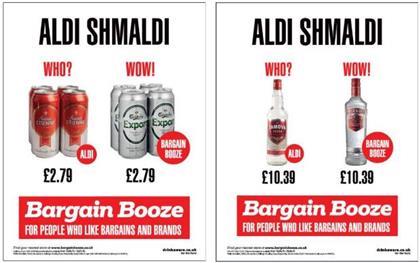
I'm not sure if I've ever noticed any adverts for Bargain Booze before, certainly none that have made me chuckle as I left the M4 and drove past one of their outdoor adverts on the side of a phone box. However, I thought these adverts were absolutely great and really made me like the brand, especially as the brand had been so far back in my recall.


Aldi's comparison adverts were widely successful and showed their own brands against competitors for a hugely discounted price. However, Bargain Booze does exactly the opposite! They have ALDI's unheard-of alcohol brands against hugely well-known brands Calsberg and Smirnoff quoting the exact same prices! It's almost like 'Brands Fight Back'! 

I love the ballsy headline 'Aldi Shmaldi', it's so captivating and certainly caught my attention! I only since noticed the Who? and I think it's a great joke and no doubt Carling and Smirnoff are benefiting from these adverts too!

Bargain Booze have insisted they are not trying to knock ALDI nor imitate what they do- after all ALDI are brand less yet as you can see Bargain Booze's slogan 'For People Who Like Bargains and Brands' which suggests they are putting the public's faith back in to branded products and conveying their quality! Which is what all we marketers like to hear!

Bargain Booze have begun a print and outdoor campaign with the social media campaign launching in the next few weeks and I wish the best of luck to them as it's a great idea- one from a totally unexpected brand too! Good luck taking on the Germans!!

Steph


Did Alton Towers use crisis management successfully?

We've all heard about the devastating crash on the 2nd June in which an Alton Towers rollercoaster crashed, causing 4 people to be seriously injured, with one even having to have her legs amputated. There has been incalculable media coverage and the Merlin brand is in absolute tatters. This of course is a crisis that not many brands ever have to deal with, however can Alton Towers ever recover from this tragedy and operate as the brand they used to be?

I think, from a branding perspective, due to what the Alton Towers brand used to stand for- fun, happiness, family-friendly and exhilarating. It is going to be phenomenally difficult for Alton Towers to ever build this image back in people's minds due to the instant association to the crash that the brand will acquire.

However, it's not as though we haven't seen brands cause tragedies previously and recover their brand successfully and with the right crisis management strategy in place- it can be done.

Quick reaction

Public relations absolutely is the key to any brand reform or crisis and other brands like Tesco and BP have made huge errors in the past by not reacting publicly to situations soon enough. However, Alton Towers were very efficient in releasing statements and keeping the public informed.

The park updated their Facebook and Twitter pages soon after the event and gave information and messages consistent with those they gave to the press, this meant messages across all channels were clear and not conflicting one another. They were quick with announcing that the park would be closed and then being open and honest about their investigations in to the accident etc.

Senior executives at the heart of the issues

Nick Varney, CEO of Merlin, headed to Alton Towers soon after the event and gave live television interviews and was at the heart of any decisions being made. This demonstrated the severity of the incident and how serious Alton Towers were taking it. He was able to give accurate and well prepared statements and take hold of the situation.

He also demonstrated his compassion, understanding and concern for those involved as well as outlining the immediate steps the business was taking which made him come across a lot more positive.

Accepting fault

In crisis management, accepting responsibility can make the difference between gaining the publics' trust and losing it. Alton Towers never tried to shift the blame or deny wrongdoing, which is where many brands have gone wrong when dealing with crises in the past (e.g. Thomas Cook).

Alton Towers must now reassure the public of their commitment to safety and work to improve on whatever they find to be the fault of their mistakes that clearly caused this disaster. I would also work to consider taking legal action/ investigation to the designers/ engineers of the ride.


All in all, I believe that Alton Towers initial management of the crisis was good and they built the foundations to restore their brand image, regain customer trust and convey their safety and integrity. However, the Merlin share price is dramatically low and therefore they must continue to work hard to make sure they stay on track.


Steph

Tuesday, 2 June 2015

There's no bed like home- IKEA's new campaign

Storytelling marketing is literally everywhere and with so many brands trying to compete for customers' attention on the ridiculously long videos they produce- say goodbye to the short and snappy ads of the past.

IKEA have released their new 'There's no bed like home' campaign which features a sentimental story about a husband who works away in the Arctic and has a pregnant wife at home who misses him dearly. You can watch it below:


Don't get me wrong I think it's a lovely video, but for me it lacks a bit of substance and the same emotion runs throughout the whole four minutes. Even at the end when the couple are reunited, I didn't feel happy or relieved or any type of emotion really. I think a lot of brands are trying to create these heart wrenching adverts and I'm afraid to say there are a lot better that IKEA's attempt.

The ad is a spin off to their wider campaign- but to me it really doesn't feel IKEA. The IKEA brand is friendly, budget, accessible to all and down-to-earth. This ad seems a little pretentious, dull and lacks energy and enthusiasm. I really do not believe it fits in with their brand image and I'm not even sure really how it fits in with what they are trying to sell. The idea of his uncomfortable beds and then coming home to his own bed is fair enough- but I'm not sure how it appeals to the majority of the population who sleep in their own beds every night any way. 

I'd love to know your thoughts on the ad- tweet me with your opinions on IKEA's latest ad.

Steph
@stefclarkx